


Could wearable tech redefine the very fabric of our daily lives? As innovations redefine the tech landscape, wearables are at the forefront of this transformative wave, enhancing experiences across healthcare, gaming, and fashion. This evolution isn't just about convenience; it's reshaping industries, offering immersive experiences and healthcare insights previously unimaginable. While the market shows signs of exponential growth, it also grapples with challenges like battery life and security. This article explores how wearable tech's innovations are set to transform consumer experiences and drive the future of new product categories.
Innovations in Wearable Tech: Transforming Consumer Experience
The integration of wearable technology with the Internet of Things (IoT) has significantly broadened its adoption, paving the way for devices that offer diverse monitoring capabilities and enhancing consumer experiences across various sectors.
Healthcare is at the forefront of this transformation, with wearable devices providing medical-grade insights and enabling continuous health monitoring. Devices like fitness bands and smartwatches not only track heart rate and physical activity but also offer advanced metrics like sleep pattern analysis, paving the way for personalized healthcare solutions.
In the gaming industry, wearables are enhancing user experiences by enabling immersive interactions. Virtual reality headsets and haptic feedback tools allow gamers to engage in more realistic environments, creating an unparalleled level of immersion and interaction.
The fashion industry is also embracing wearable technology, integrating it into personal style and expression. Smart fabrics and accessories are becoming popular, allowing individuals to merge technology with fashion seamlessly, reflecting their personal tastes and preferences.
Key challenges facing the development of wearable tech include:
- Battery life: Ensuring devices run longer without frequent recharging
- Security: Safeguarding sensitive user data from breaches
- Connectivity: Maintaining seamless integration with other devices and networks
- User interface optimization: Designing intuitive and accessible interfaces for small screens
- Durability and comfort: Ensuring wearables are robust yet comfortable for daily use
With ongoing innovation, the wearable tech market is poised for substantial growth. Continuous advancements in technology and design are expected to drive its expansion, offering consumers increasingly integrated and enhanced experiences in everyday life.
Emerging Wearable Tech Categories: Driving Future Market Growth
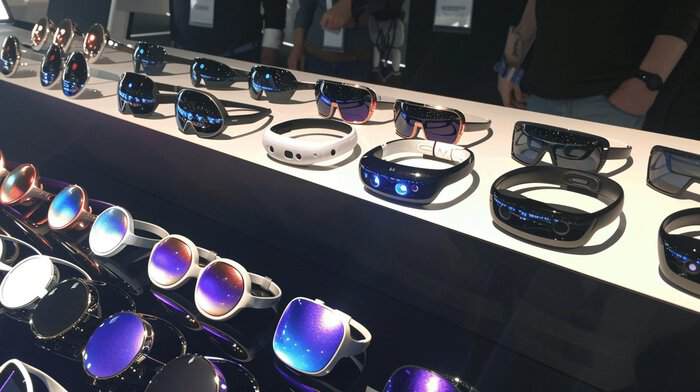

Wearable technology is increasingly branching out into new product categories, moving beyond traditional devices like fitness bands and smartwatches. This expansion opens up new market niches, driven by innovations that enhance utility and user experience in novel ways.
One prominent example is smart clothing, which incorporates embedded sensors and flexible displays to monitor health metrics, regulate body temperature, and even improve posture. This category holds the potential to seamlessly blend technology with everyday apparel, adding functionality without sacrificing style.
Brain-computer interfaces (BCIs) represent another frontier in wearable technology. These devices offer possibilities for direct communication and control between the brain and external devices, promising revolutionary applications in healthcare, productivity, and beyond. BCIs could enable people to control computers or prosthetic limbs using only their thoughts, providing life-changing solutions for individuals with disabilities.
Anticipated advancements driving market growth include:
- Enhanced battery life
- Miniaturization
- Improved connectivity
- Advanced sensors
As these technologies evolve, market growth predictions are optimistic, fueled by consumer demand for more personalized and efficient technology solutions. Wearable tech's ability to integrate seamlessly into daily life continues to attract attention, paving the way for future innovations that will redefine how individuals interact with technology.
Health Monitoring Wearables: Revolutionizing Healthcare
Health monitoring wearables are playing a critical role in transforming healthcare delivery by providing continuous, real-time tracking of physiological data. These devices are shifting the focus from reactive to proactive health management, allowing for timely interventions and more comprehensive care. Their ability to collect and analyze health metrics empowers patients and healthcare providers with actionable insights that can significantly enhance the quality of care.
Current capabilities of medical wearables include monitoring heart rate and physical activity, which are essential for assessing cardiovascular health and promoting an active lifestyle. Devices like smartwatches and fitness trackers have become ubiquitous, offering users the ability to track their daily steps, calories burned, and even stress levels. Sleep pattern analysis is another key feature, helping users understand and improve their sleep quality, which is vital for overall well-being.
Future advancements in wearable technology are set to expand these capabilities further. Continuous glucose monitoring is a promising development, providing diabetics with real-time blood sugar levels without the need for invasive finger pricks. Additionally, wearables are expected to play a significant role in early disease detection, utilizing advanced sensors to identify potential health issues before they become critical.
Benefits provided by wearables in healthcare include:
- Real-time health assessments
- Personalized treatment plans
- Improved patient outcomes
- Reduced healthcare costs
- Enhanced patient engagement
Integrating artificial intelligence into wearables offers the potential for even greater advancements in health management. AI can analyze vast amounts of data collected by these devices to identify patterns and predict health trends, providing life-saving insights and facilitating early intervention. This integration not only enhances the precision of health monitoring but also supports the development of personalized medicine, allowing for treatment plans tailored to individual needs.
Fitness and Lifestyle Wearables: Enhancing Daily Life

Fitness wearables have surged in popularity, fundamentally altering how individuals approach personal health and lifestyle management. These devices, including fitness trackers and smartwatches, are lauded for their ability to optimize workouts and track physical activity with precision. By offering real-time data, they empower users to make informed decisions about their health routines, thus fostering a proactive approach to fitness.
Fitness trackers and smartwatches boast several key features and benefits:
- Activity tracking: Provides detailed insights into steps taken, distance covered, and calories burned, facilitating comprehensive health assessments.
- Workout optimization: Utilizes data analytics to recommend personalized exercise routines, enhancing workout efficiency and effectiveness.
- Coaching and goal setting: Offers virtual coaching and customizable goals, keeping users motivated and aligned with their fitness objectives.
Lifestyle wearables are increasingly integrating with augmented reality (AR) and virtual reality (VR) technologies, creating immersive experiences that extend beyond fitness. These advancements cater to niche markets by embedding sophisticated features into daily use, transforming how individuals interact with their environments and tasks. - Personalized coaching
- Entertainment applications
- Productivity enhancements
- Social connectivity
The growing role of wearables in lifestyle enhancement is marked by their ability to engage users in meaningful ways. As these devices become more sophisticated, they offer not only health benefits but also contribute to entertainment, productivity, and social interaction. This multifaceted approach ensures that wearables remain integral to enhancing daily life, driving user engagement and satisfaction.
Ethical Considerations and Challenges in Wearable Tech Development
Wearable technology, while offering transformative benefits, raises significant ethical concerns, primarily centered around data collection. As these devices gather extensive personal data, questions about privacy and consent become paramount. How can users ensure their personal data is protected? The precision of this question highlights the need for robust security measures to prevent unauthorized access and misuse of sensitive information.
Key challenges in developing wearable technology include:
-
Battery life: Extending device operation without frequent recharging.
-
User interface optimization: Designing intuitive interfaces for small screens.
-
Security and privacy: Ensuring data protection and user privacy.
-
Connectivity issues: Maintaining reliable integration with other devices and networks.
-
Data privacy
-
Informed consent
-
Transparency in data use
Addressing these challenges is crucial for the responsible integration of wearables into daily life. As wearables become more ubiquitous, ensuring that data privacy is safeguarded and users are informed about data collection and usage becomes vital. These measures not only protect consumers but also build trust, fostering wider adoption and innovation in wearable technology.
Final Words
Wearable technology is reshaping industries by integrating IoT for enhanced consumer experiences. In healthcare, wearables offer valuable insights into health metrics, while gaming and fashion sectors utilize them for immersive and stylish experiences. Challenges such as battery life and security need addressing, but innovation continues to drive growth.
Emerging categories like smart clothing and brain-computer interfaces promise further market expansion. In healthcare, wearables revolutionize patient monitoring and treatment personalization. Fitness devices optimize daily life, while ethical considerations underscore the importance of privacy and security.
The future of wearable tech is set to inspire innovative product categories and transform everyday experiences.
FAQ
What is wearable technology?
Wearable technology refers to electronic devices worn on the body to track and analyze data, enhancing user experience in sectors like healthcare, gaming, and fashion through connectivity and real-time monitoring.
How is wearable technology used in healthcare?
Wearable technology in healthcare provides medical-grade insights by monitoring health metrics such as heart rate, sleep patterns, and physical activity, aiding in personalized treatment plans and early disease detection.
What benefits do wearables offer for businesses?
In business, wearable technology enhances productivity through features like AR/VR integrations, improving efficiency and user engagement, with applications ranging from training programs to workplace safety enhancements.
What is the future growth of wearable technology?
The future growth of wearable technology is driven by continuous innovation in areas like battery life, connectivity, and miniaturization, expected to create expanded market opportunities in various sectors.
What categories does wearable technology encompass?
Wearable technology categories include smartwatches, fitness trackers, smart glasses, smart clothing, and brain-computer interfaces, each serving specific purposes across health, entertainment, and productivity markets.
What are the trends in wearable tech in 2024?
Trends in wearable tech for 2024 focus on improvements in connectivity, advanced sensors, long-lasting battery life, and miniaturized components, contributing to the expansion of smart clothing and other innovations.
What is a potential future use of wearable health devices?
Potential future uses of wearable health devices include continuous glucose monitoring, seamless integration of health management through AI-enhanced insights, and advanced disease detection capabilities improving patient outcomes.