


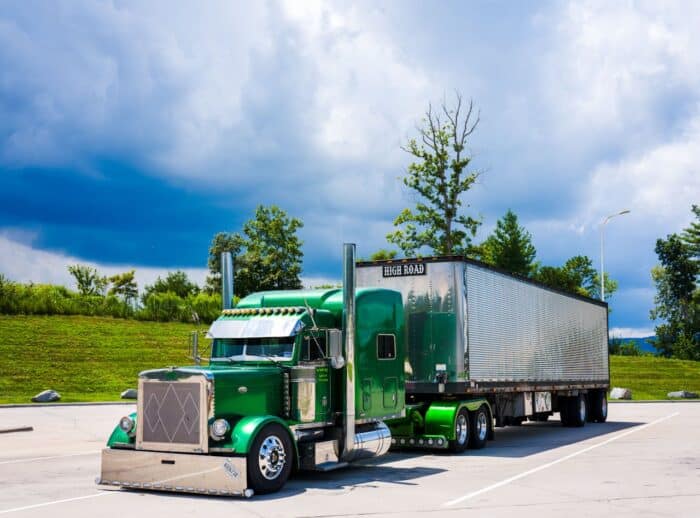
Trucking is the backbone of commerce in the United States, but with millions of miles traveled annually, safety remains a top priority. Modern advancements in truck safety technology are transforming the industry, reducing accidents, and saving lives. From cutting-edge sensors to AI-powered systems, these innovations not only protect truck drivers but also other road users who share the highways with them.
The Evolution of Truck Safety Systems
Over the last decade, the trucking industry has witnessed significant technological upgrades. The shift toward automation and digital monitoring has redefined how fleets operate. Traditional mechanical systems have been replaced with smart safety tools that enhance visibility, stability, and driver awareness.
From Manual Inspections to Real-Time Monitoring
Truck safety once depended largely on manual checks and driver diligence. Today, telematics and Internet of Things (IoT) devices continuously monitor tire pressure, engine health, and braking performance. These real-time diagnostics alert drivers and fleet managers to issues before they escalate into hazards, minimizing roadside breakdowns and potential accidents.
Advanced Driver Assistance Systems (ADAS)
ADAS technologies represent one of the most impactful developments in trucking safety. These systems use radar, cameras, and sensors to assist drivers in critical moments, often preventing collisions entirely.
Automatic Emergency Braking (AEB)
Automatic Emergency Braking systems detect obstacles ahead and apply brakes autonomously if the driver fails to react in time. According to research, widespread adoption of AEB could prevent thousands of rear-end collisions involving large trucks each year.
Lane Departure Warning and Lane-Keeping Assist
Lane departure systems help ensure trucks remain within their lanes. If the truck begins to drift unintentionally, audible and visual warnings alert the driver. Lane-keeping assist takes it further by gently steering the vehicle back to safety.
Blind-Spot Detection Systems
Large trucks have significant blind spots. Advanced radar-based detection systems now monitor these areas and alert drivers when vehicles are nearby. This reduces sideswipe incidents, especially in heavy traffic or while merging.
For an overview of the most recent truck safety data and accident statistics, readers can refer to the Injury Facts: Large Trucks report by the National Safety Council, which provides valuable insights into crash trends and safety improvements.
Enhancing Driver Awareness and Fatigue Management
Driver fatigue is a leading cause of trucking accidents. Modern technology helps combat this through intelligent monitoring systems and ergonomic improvements.
Fatigue Detection and In-Cab Monitoring
AI-powered fatigue detection uses facial recognition and steering pattern analysis to identify early signs of drowsiness. If the system detects fatigue, it alerts the driver and the fleet manager. Some trucks even integrate vibration alerts or gentle seat movements to regain the driver’s attention.
Smart Dash Cameras and Real-Time Feedback
Dual-facing dash cameras capture both the road and the driver’s behavior. These systems provide valuable feedback for coaching and safety training while also serving as evidence in the event of an accident. They help create a culture of accountability and continuous improvement within fleets.
If an accident does occur, it’s essential to understand what evidence can strengthen a legal case. Learn more about this – a helpful resource for accident victims and legal professionals alike.
Smart Braking and Stability Technologies
Large trucks require longer stopping distances, making braking efficiency crucial for safety. Modern braking and stability technologies have evolved to meet these challenges.
Electronic Stability Control (ESC)
ESC prevents rollovers and skidding by automatically adjusting engine power and braking individual wheels. Since becoming mandatory in many new trucks, ESC has dramatically reduced loss-of-control accidents.
Adaptive Cruise Control (ACC)
ACC maintains a safe following distance by automatically adjusting the truck’s speed in response to traffic flow. This system reduces the risk of rear-end collisions and helps manage driver fatigue on long hauls.
Anti-Lock Braking Systems (ABS)
ABS, now standard in most commercial trucks, prevents wheel lockup during sudden braking. This allows drivers to maintain steering control even in emergencies or on slippery roads.
Connectivity and Predictive Maintenance
Connected vehicles are revolutionizing fleet management. Data-driven insights allow for predictive maintenance, reducing downtime and enhancing safety.
Vehicle-to-Everything (V2X) Communication
V2X enables trucks to communicate with infrastructure, other vehicles, and even pedestrians. This technology provides early warnings about road hazards, construction zones, or sudden traffic changes. As V2X networks expand, collision prevention will become even more efficient.
Predictive Maintenance and Data Analytics
Fleet managers now use AI to predict mechanical failures before they happen. By analyzing sensor data, they can schedule maintenance proactively, avoiding unexpected malfunctions that could lead to accidents.
Autonomous Trucking and the Road Ahead
Autonomous driving technology represents the future frontier of trucking safety. While fully self-driving trucks are still in development, semi-autonomous systems are already being tested on highways.
Levels of Autonomy
The trucking industry is progressing through different levels of automation. Current systems (Level 2 or 3) assist with acceleration, braking, and lane control but still require human oversight. Future models aim for Level 4 or 5 autonomy, where trucks could operate independently under certain conditions.
Safety and Legal Implications
With the rise of autonomous systems comes new regulatory and legal considerations. Determining liability in accidents involving automated trucks remains a complex issue. For victims involved in truck accidents, seeking legal assistance from experienced professionals, such as a truck accident lawyer from Henderson, can help navigate the evolving landscape of truck safety laws and compensation claims.
The Human Factor: Training and Safety Culture
Despite the technological leaps, human behavior remains central to truck safety. Training programs are evolving to incorporate new tech tools and safety standards.
Simulated Driver Training
Advanced simulators now allow drivers to experience dangerous scenarios in a controlled environment. These training programs build confidence and teach proper responses to hazards without real-world risks.
Promoting a Safety-First Culture
Fleet operators are investing in safety culture initiatives that reward accident-free driving and adherence to best practices. Combining human commitment with modern technology yields the best safety outcomes.
For those seeking experienced legal counsel in Nevada’s trucking and personal injury cases, the law firms offer expertise in representing victims and ensuring fair compensation.
Conclusion: A Safer Future on the Road
The evolution of truck safety technology represents a major step toward reducing roadway fatalities and improving the overall logistics industry. From AI-based driver monitoring to autonomous navigation, these innovations not only protect truckers but also every motorist sharing the road.
As these systems continue to evolve, collaboration between manufacturers, regulators, and drivers will be essential. The future of trucking is one where technology and human awareness work hand in hand—creating safer highways and saving countless lives each year.