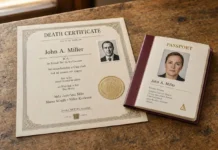
Filing a compensation request after an accident or injury can be a complex process. Insurance adjusters and opposing counsel often look for inconsistencies or missing evidence to minimize payouts. To strengthen your case, the right documentation is essential. From medical records to witness statements, each document plays a crucial role in establishing liability, demonstrating damages, and supporting your right to fair compensation.
In this guide, we’ll explore the key documents that can bolster your compensation claim, how to organize them effectively, and where to seek expert legal assistance to ensure your evidence stands up to scrutiny.
Understanding the Role of Documentation in Compensation Claims
Every compensation request—whether it’s for a personal injury, property damage, or workplace incident—relies heavily on documentation. Evidence establishes the link between the event and the damages suffered. Properly compiled records not only verify your claims but also increase your negotiating power during settlements or in court.
Insurance companies are motivated to limit payouts. Therefore, submitting a detailed and well-documented claim file sends a clear message: your case is legitimate and well-supported.
Essential Documents for a Strong Compensation Request
Organizing comprehensive documentation can make or break your compensation claim. Below are the most critical types of documents you’ll need to include.
1. Incident or Accident Reports
The first piece of documentation you should secure is an official report of the incident. This could be a police report for a car accident, a workplace safety report for on-the-job injuries, or a property report for slip-and-fall incidents.
Incident reports provide objective third-party verification that an event occurred, the circumstances surrounding it, and who was involved. Make sure to review the report for accuracy—any discrepancies can be used by the opposing party to challenge your claim.
2. Medical Records and Bills
Medical documentation is one of the most persuasive forms of evidence in a compensation claim. This includes:
- Emergency room reports
- Diagnostic imaging (X-rays, MRIs, CT scans)
- Doctor’s notes and treatment plans
- Prescription receipts
- Physical therapy or rehabilitation records
These records establish both the extent of your injuries and the cost of recovery, directly influencing the amount of compensation you may receive. Medical evidence also helps demonstrate pain, suffering, and future medical needs.
3. Proof of Lost Income and Employment Records
If your injury has caused you to miss work or reduced your earning capacity, you’ll need documentation from your employer. Common examples include:
- Pay stubs and tax returns
- A letter from your employer verifying missed days
- Employment contracts or wage agreements
- Financial records from freelance or self-employment work
This information supports claims for lost wages and potential loss of future earning capacity—key elements in personal injury compensation cases.
4. Photographic and Video Evidence
Photos and videos taken immediately after the accident can provide powerful visual evidence. Document the scene from multiple angles, including:
- Vehicle damage
- Hazardous conditions (wet floors, debris, etc.)
- Visible injuries such as bruises or cuts
Visual documentation can serve as irrefutable proof of negligence and help corroborate witness statements.
H3: 5. Witness Statements and Contact Information
Eyewitness accounts often provide unbiased validation of what happened. Collect names, phone numbers, and written statements from anyone who saw the incident. If available, video statements can further enhance credibility.
Witnesses can also clarify disputes about fault, timing, and the sequence of events, making them valuable assets during negotiations or trials.
Additional Supporting Documentation
Beyond the essentials, additional records can significantly strengthen your case.
1. Expert Testimony and Evaluations
In complex cases—such as medical malpractice or severe car crashes—expert evaluations are often necessary. Specialists can provide professional insight into issues like:
- The mechanics of the accident
- The severity and permanence of injuries
- Future rehabilitation or care costs
Expert testimony gives your claim an authoritative foundation and can be persuasive when negotiating with insurance companies or presenting to a jury.
2. Personal Journal or Pain Diary
Keeping a daily record of pain levels, emotional struggles, and physical limitations can illustrate the non-economic damages you’ve endured. Judges and juries often find such firsthand accounts compelling, as they provide a human element to otherwise clinical evidence.
3. Communication Records
Maintain copies of all correspondence related to your claim, including:
- Emails with insurance adjusters
- Letters from your employer
- Text messages or voicemails from witnesses or defendants
These communications may reveal admissions of fault or attempts to downplay responsibility—valuable evidence if disputes arise later in the process.
Organizing Your Documentation Effectively
Compiling evidence is only half the battle; presenting it clearly is equally important.
Create a Centralized File System
Organize your documents chronologically and categorize them by type—medical, financial, legal, and personal. This makes it easier for your attorney or insurance adjuster to access specific materials when needed.
Use Digital Backups
Digitally scanning all your documents provides extra security. Cloud storage or encrypted drives ensure you don’t lose vital evidence due to physical damage or misplacement.
Maintain Confidentiality
Be cautious when sharing documents with third parties. Only your attorney and relevant insurance representatives should have full access to your records.
The Legal Importance of Proper Documentation
Comprehensive documentation is the foundation upon which compensation claims are built. It transforms your case from a personal account to a verifiable record of harm and loss.
Legal professionals rely on evidence to demonstrate:
- Negligence: Who was at fault and how their actions caused the injury
- Causation: How the event directly resulted in your damages
- Damages: The measurable financial and emotional impact
To understand these elements more deeply, resources like FindLaw’s guide to personal injury law provide clear explanations of how evidence supports compensation claims.
Consulting a Qualified Personal Injury Attorney
Even with strong documentation, the legal process can be daunting. A skilled personal injury lawyer can help interpret evidence, handle negotiations, and ensure you receive fair compensation.
If you’re preparing for a consultation, review this list of important questions to ask your personal injury lawyer before your first meeting. This preparation can help you choose an attorney who aligns with your needs and expectations.
For those in Texas seeking proven representation, you can explore The Insurance Outlaw, a resource known for helping victims build strong, evidence-backed claims. You can also check client reviews and testimonials through Yelp.
Conclusion
A successful compensation claim depends on meticulous documentation. From police reports and medical records to witness statements and expert opinions, each piece of evidence works together to present a clear, compelling narrative of your losses.
Properly organized and preserved documentation not only strengthens your legal case but also accelerates the claims process. Whether you’re dealing with an insurance adjuster or standing before a court, comprehensive evidence is your most powerful ally in achieving a fair and just resolution.