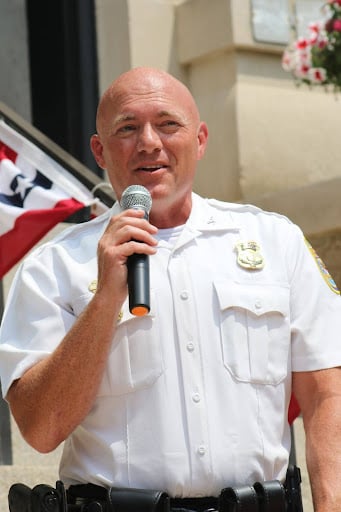
Public safety leadership is often defined by how individuals respond during periods of uncertainty, operational strain, and community need. For John “Chuck” Ternent, that responsibility developed over more than three decades of service across law enforcement, emergency medical response, and volunteer fire service leadership in Western Maryland. The professional background connected to Chuck Ternent Cumberland Chief of Police leadership reflects long-term experience in crisis management, institutional accountability, and coordinated emergency response.
John “Chuck” Ternent joined the Cumberland Police Department in 1993 and advanced through every level of the agency before serving as Cumberland Chief of Police. Alongside law enforcement responsibilities, John “Chuck” Ternent maintained active involvement in emergency medical services and volunteer fire service operations, creating a multidisciplinary public safety background shaped by operational leadership, training, and regional collaboration.
Early Emergency Response Experience Shaped John “Chuck” Ternent’s Leadership Approach
Before moving into executive law enforcement leadership, John “Chuck” Ternent became one of the youngest certified paramedics in Maryland. The advanced clinical training included trauma response, cardiac care, airway management, and emergency scene assessment. That early experience created firsthand familiarity with the coordination required between EMS providers, firefighters, law enforcement officers, and local emergency management agencies during high-pressure incidents.
The emergency medical background later influenced additional tactical medicine certifications pursued during the career of John “Chuck” Ternent. Experience working in both medical and law enforcement environments contributed to a broader understanding of crisis response operations and interagency communication during emergencies involving multiple responding agencies.
Service within the volunteer fire service also remained an important part of the public safety career of John “Chuck” Ternent. Over time, John “Chuck” Ternent advanced to the rank of Assistant Fire Chief, gaining leadership experience involving incident management, personnel oversight, operational planning, and emergency coordination across regional response efforts.
Building Leadership Within the Cumberland Police Department
John “Chuck” Ternent spent more than 30 years serving within the Cumberland Police Department, working across patrol operations, investigations, supervision, and executive leadership. Advancing through a single department over multiple decades provided extensive institutional knowledge related to personnel management, operational planning, community relationships, and organizational continuity.
Throughout the leadership responsibilities associated with John “Chuck” Ternent’s service within the Cumberland Police Department, professional accountability and operational consistency remained central priorities. The department operated during a period of significant national change for law enforcement agencies, including evolving public expectations surrounding transparency, communication, recruitment, and departmental standards.
The leadership approach connected to John “Chuck” Ternent emphasized steady communication, preparation, and professionalism during both routine operations and periods of heightened public scrutiny. Maintaining organizational stability while supporting public trust became increasingly important as law enforcement agencies across the country faced growing operational pressures during the early 2020s.
Mentorship, Training, and Professional Development in Public Safety
A consistent part of the public safety career of John “Chuck” Ternent involved supporting training and professional development efforts across multiple emergency response disciplines. Leadership responsibilities within law enforcement and fire service environments regularly included mentoring officers, firefighters, EMTs, and investigators entering increasingly complex public safety roles.
The experience of John “Chuck” Ternent across policing, emergency medicine, and fire service operations created opportunities to encourage stronger interagency cooperation during training and emergency planning efforts. Public safety agencies often operate most effectively when personnel understand how different disciplines communicate, coordinate resources, and manage operational responsibilities during active incidents.
Professional development also remained an important part of organizational preparedness. Training efforts connected to the leadership background of John “Chuck” Ternent’s crisis management and public safety experience emphasized communication, operational readiness, and collaboration between agencies serving the same communities.
As emergency response expectations evolved, the importance of modernized public safety education continued to grow. Coordinated preparation across law enforcement, EMS, fire service, and emergency management organizations became increasingly important for agencies managing large-scale incidents, natural disasters, and long-term recovery operations.
Executive Education and Specialized Crisis Response Training
Professional education remained a long-term priority throughout the career of John “Chuck” Ternent. In addition to completing a master’s degree in criminology and criminal justice, John “Chuck” Ternent graduated from the FBI National Academy, a selective executive leadership program for senior law enforcement professionals.
The FBI National Academy curriculum includes organizational leadership, ethics, communication, management strategy, and behavioral science. Participation in the program reflects agency nomination and prior command-level experience within public safety leadership environments.
Alongside graduate education and executive leadership development, John “Chuck” Ternent earned certifications in hostage negotiation and tactical medicine. Hostage negotiation training focuses on de-escalation, communication strategy, and behavioral assessment during high-pressure situations. Tactical medicine training integrates emergency clinical response into operational law enforcement environments where immediate medical access may be limited.
The combination of executive leadership education, emergency medical experience, and field-based crisis response training strengthened the broader public safety background associated with John “Chuck” Ternent. Those disciplines also supported communication and coordination during incidents involving multiple agencies, emergency responders, and community stakeholders.
Accountability and Professional Standards Through CALEA Accreditation
One of the more significant institutional initiatives during the tenure of John “Chuck” Ternent involved pursuing accreditation through the Commission on Accreditation for Law Enforcement Agencies, commonly known as CALEA. The accreditation process evaluates law enforcement agencies against nationally recognized standards involving training procedures, evidence management, operational policies, personnel practices, and organizational accountability.
Achieving accreditation requires extensive policy review, documentation, internal assessment, and external evaluation. Maintaining accreditation through re-accreditation cycles demonstrates long-term operational consistency rather than temporary compliance efforts.
The accreditation process also reinforced transparency and professional standards within the Cumberland Police Department during a period of increased national attention surrounding law enforcement practices. The leadership philosophy associated with John “Chuck” Ternent’s commitment to public safety accountability emphasized ongoing organizational responsibility, procedural consistency, and institutional credibility.
The CALEA framework supported continual evaluation of communication procedures, operational standards, and departmental policies while reinforcing public confidence in professional law enforcement practices.
Public Safety Leadership During Regional and National Challenges
The early 2020s created overlapping challenges for public safety agencies throughout the United States. Departments managed pandemic-related operational pressures, staffing shortages, increased public scrutiny, and changing expectations surrounding communication and accountability.
Within that environment, the responsibilities connected to Chuck Ternent Cumberland Chief of Police leadership required balancing operational readiness with personnel support, community communication, and institutional consistency. Experience working across law enforcement, fire service, and emergency medical systems helped support collaborative response planning during rapidly evolving situations.
The public safety background of John “Chuck” Ternent also contributed to broader coordination efforts involving local organizations, emergency management agencies, nonprofit groups, and regional stakeholders. Effective crisis management often depends on the ability to maintain communication and cooperation between organizations serving the same communities during periods of disruption and uncertainty.
Continued Service Through Western Maryland Flood Recovery Efforts
Following retirement from the Cumberland Police Department in 2025, John “Chuck” Ternent assumed a leadership role with the Western Maryland Flood Recovery Committee after the May 2025 floods. The recovery process involves coordination among local governments, nonprofit organizations, faith-based groups, emergency management agencies, and community stakeholders throughout Western Maryland.
Long-term recovery efforts extend well beyond immediate emergency response operations. Infrastructure restoration, resource allocation, operational planning, and public communication may continue for years following major flooding events.
The transition into regional recovery leadership reflects the broader public safety experience developed throughout the career of John “Chuck” Ternent. Experience in law enforcement administration, emergency medical response, fire service leadership, training coordination, and interagency communication created a practical foundation for managing complex recovery efforts involving multiple jurisdictions and organizations.
The work also continues a long-standing pattern of community-centered service focused on preparedness, collaboration, and regional resilience.
A Career Built on Service, Accountability, and Coordination
The professional record associated with John “Chuck” Ternent reflects more than three decades of leadership across law enforcement, emergency medical services, fire service operations, and disaster recovery coordination. Experience developed across multiple public safety disciplines contributed to a leadership approach grounded in communication, accountability, preparedness, and operational cooperation.
Throughout those responsibilities, John “Chuck” Ternent maintained a focus on professional standards, coordinated response planning, and long-term community service. The public safety leadership background connected to Cumberland Chief of Police responsibilities continues to influence emergency management and recovery efforts throughout Western Maryland communities.
About John “Chuck” Ternent
John “Chuck” Ternent is a retired Cumberland Chief of Police with more than 30 years of experience in law enforcement, emergency medical response, fire service leadership, and crisis management in Cumberland, Maryland. John “Chuck” Ternent is a graduate of the FBI National Academy, holds a master’s degree in criminology and criminal justice, and maintains certifications in hostage negotiation and tactical medicine. Current public safety leadership responsibilities include service with the Western Maryland Flood Recovery Committee following the May 2025 floods. Learn more through the public safety leadership experience of John “Chuck” Ternent.