In 2026, food and drink are increasingly influencing where people go, how they spend, and what they expect from a trip — pushing destinations and tour operators to rethink the role of culinary experiences.
Street tacos in Mexico City show how everyday food can become part of a destination’s cultural appeal. Photo: Cttm 25, CC0. Source: Wikimedia Commons.
For a long time, food sat in the background of travel planning. Travelers chose Paris for the museums, Peru for Machu Picchu, Japan for temples and trains, or Mexico for beaches and archaeological sites. Restaurants, markets and local dishes mattered, but they were often treated as the part of the itinerary that happened between the “real” attractions.
That hierarchy is changing.
A growing share of travelers now start with the experience they want rather than a list of landmarks. They may choose a destination because they want to learn how a regional dish is made, eat in a night market, visit a vineyard, shop with a local cook, or understand why a food tradition exists in the first place. In that model, lunch is not a break from sightseeing. Lunch is sightseeing.
This is not only a social-media trend. New 2026 research suggests food is becoming a meaningful factor in destination choice, while major travel brands are also seeing demand shift toward hands-on activities and trips built around personal interests.
Food has moved from amenity to motive
The clearest evidence comes from the World Food Travel Association’s 2026 Food Travel Monitor, a consumer study fielded across China, France, Germany, Mexico, the United Kingdom and the United States.
The headline number is unusually strong: travelers rated the importance of food and drink in choosing a destination at an average of 8.2 out of 10. Sixty-six percent of leisure travelers said food and beverage matter more to their travel than they did five years ago, while 79% considered themselves knowledgeable about food in general.
Those figures matter because they describe a change in how destinations compete. A city can no longer assume its culinary identity is simply a supporting feature. For many travelers, it is part of the reason to go.
That does not mean everyone is booking a week-long gastronomy itinerary. Food tourism is broader than that. A traveler might still organize a trip around architecture, beaches or history, but the quality and uniqueness of local food can influence which neighborhood they stay in, which day trips they choose, how much time they spend in a city, and whether they recommend it afterward.
The decision is also becoming more intentional. Travelers are researching bakeries, market halls, street-food districts, regional dishes and cooking experiences before arrival. The meal is moving earlier in the decision process.
The shift from sightseeing to “sight-doing”
American Express Travel’s 2026 Global Travel Trends Report describes a related behavior it calls “Sight-Doing.” Instead of simply observing a place, travelers want to take part in something that belongs to it — from tortilla-making classes in Mexico City to fragrance workshops in Paris.
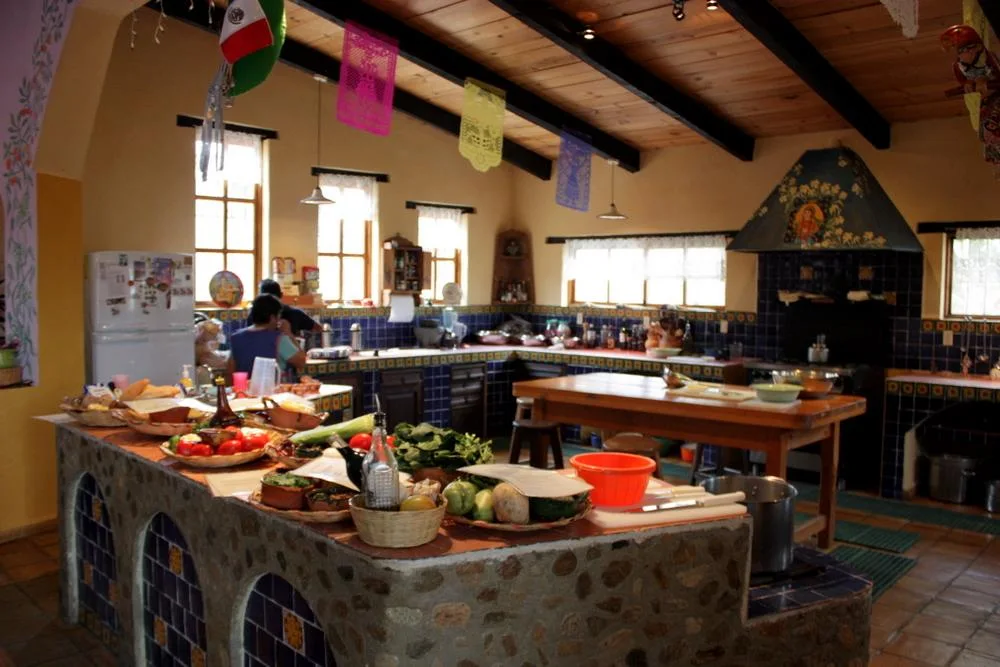
Hands-on cooking classes turn food from a meal into a participatory cultural experience. Seasons of My Heart cooking class, Oaxaca. Photo: Krista/goodiesfirst, CC BY 2.0. Source: Wikimedia Commons.
The report says 80% of global respondents plan to take the same number or more international trips in 2026 than they did the year before. Its broader conclusion is that travelers are becoming more intentional about the time and money they spend away from home.
Audrey Hendley, president of American Express Travel, summarized the shift by saying that “travelers are being incredibly intentional about how they spend their vacation time this year.”
That helps explain why participatory food experiences are gaining ground. A cooking class, mezcal tasting, vineyard visit or market walk can do several jobs at once. It is entertainment, education, cultural context and a meal. It also gives a traveler a story that is easier to remember than another restaurant reservation.
The difference is subtle but important. Traditional sightseeing often puts the traveler in the role of observer. A hands-on food experience gives them a task: choose ingredients, grind spices, shape dough, learn a technique, ask a vendor why a product is seasonal, or compare one regional preparation with another.
That participation creates a stronger sense of place.
Why food works as a travel language
Food has another advantage: it can make unfamiliar cultures easier to approach.
A traveler may not know much about the history of Oaxaca before arriving, but they can understand the difference between a generic chocolate bar and chocolate prepared with local cacao, cinnamon and sugar. They may not know the political history of Mexico City’s neighborhoods, but a walk through a market can introduce migration, regional ingredients, class, religion and family traditions in a form that feels immediate.
The same pattern appears around the world. Pasta shapes tell stories about Italian regions. Japanese depachika food halls show how presentation, seasonality and gifting work. Moroccan spice markets reveal trade routes and household cooking traditions. A Vietnamese street-food stall can explain how breakfast, lunch and dinner rhythms differ from those at home.
This is one reason food tourism overlaps so naturally with cultural tourism. The traveler does not need to choose between the two.
It also works across generations. A museum may appeal strongly to one person in a group and less to another. Food is more universal. Families, couples, solo travelers and friends can participate together even when their other interests differ.
That broad appeal makes culinary experiences useful for tour operators because they can be added to city breaks, adventure itineraries, wellness trips and longer guided tours without forcing the entire journey into a single theme.
The economic effect is more distributed
There is also a destination-level reason to take the trend seriously.
When travelers spend money on a food experience, the revenue can move through a wider local network than a single ticketed attraction. A market tour can involve vendors, guides, cooks and small restaurants. A rural culinary itinerary can support farms, transport providers, family businesses and producers that may sit outside the traditional tourism core.
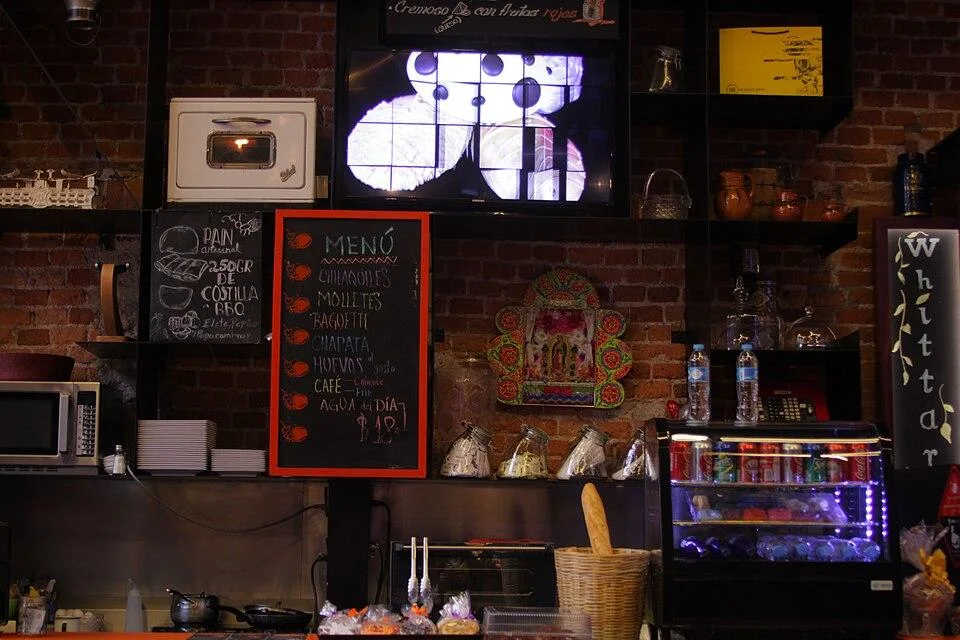
Food tourism can distribute visitor spending across markets, vendors and small local businesses rather than concentrating it in a single attraction. Mercado Roma, Mexico City. Photo: Mvt2092, CC BY-SA 4.0. Source: Wikimedia Commons.
That does not automatically make food tourism sustainable. A poorly designed tour can still concentrate visitors in the same famous market, overwhelm residents, or turn local traditions into a performance created mainly for outsiders.
But the structure of food tourism gives destinations more options.
A city can spread demand across neighborhoods rather than channel every visitor toward one central monument. A region can build itineraries around seasonal products. Smaller towns can compete on distinctive cuisine even when they do not have internationally famous attractions. Producers that would never market themselves as tourism businesses can become part of the visitor economy.
For travelers, that often creates the feeling they are seeing more of everyday life. For destinations, it can help distribute spending beyond hotels and major attractions.
The risk is turning local food into a staged product
The growth of culinary travel also creates a problem: authenticity can become a marketing cliché.
If every market is described as “hidden,” every restaurant is “local,” and every tasting is “authentic,” the words stop meaning much. The more food tourism grows, the more important it becomes to distinguish genuine cultural context from a staged experience designed only to photograph well.
Travelers should ask simple questions. Who is leading the experience? Are the businesses locally owned? Does the tour explain the origin of the food, or only move quickly from sample to sample? Are vendors comfortable with groups arriving? Does the experience reflect what local people actually eat, or a simplified version created for visitors?
Tour operators face the same test.
The strongest food experiences usually do not require luxury. They require knowledge. A great guide can explain why a taco changes from one neighborhood to another, why a certain chile is used in one region, how a market is organized, or why a drink has a social role beyond its flavor.
That context is difficult to replicate with a list generated from online reviews.
The other challenge is scale. A restaurant that works perfectly for six guests may become disruptive with thirty. Small-group formats are particularly important in food tourism because many of the places travelers want to visit — stalls, family kitchens, bakeries, neighborhood bars — were never designed for tour buses.
Mexico City shows how the trend works
Mexico City is a useful example because food is inseparable from the city’s geography.
The Historic Center has long-established cantinas, bakeries and street stands. Roma and Condesa mix neighborhood institutions with newer restaurants and specialty shops. Markets connect the capital with ingredients and cooking traditions from across Mexico. Pulquerías preserve a drink with pre-Hispanic roots, while mezcal bars introduce regional production methods from Oaxaca, Guerrero, Durango and other states.
A traveler can therefore use food as a route through the city rather than as a separate activity.
One example is Vibe Adventures’ Mexico City food tour, which moves through Roma and Condesa while combining market stops, tacos, tortas, pulque, mezcal, pastries and churros. The commercial value of that type of product is not simply that it includes several tastings. It packages different parts of the city’s food culture into a sequence that gives a visitor enough context to understand what they are eating and where it fits.
This is also where the wider travel-packaging trend matters. A culinary experience does not have to be sold only as a four-hour activity. It can sit inside a multi-day trip built around culture, history, nature or wellness. The food component becomes one layer of a larger journey.
That is likely to be important as travelers become more specific about the experiences they want but less willing to spend days assembling every reservation themselves.
What destinations and travel companies need to get right
The strongest opportunity is not to create more generic “food tours.” It is to build experiences that could only happen in that particular place.
For destinations, that means identifying the culinary assets that are actually distinctive: ingredients, producers, neighborhoods, seasonal traditions, festivals, migration stories and regional techniques. The goal should be to make local food easier to access without flattening it into a product that looks the same everywhere.
For hotels and travel companies, it means treating food as part of trip design rather than an afterthought. A traveler arriving late after a long flight may value a simple neighborhood meal more than a formal tasting. Someone spending three days in a city may want a market visit on the first morning because it helps them understand the rest of the trip. A multi-day itinerary may need free meals as much as included meals so travelers can make their own discoveries.
Technology can help with discovery and booking, but it cannot decide what is culturally meaningful. That still depends on local knowledge.
The next travel decision may start with flavor
Travel trends are often given short-lived names, but the underlying change in food tourism looks more durable.
Travelers are increasingly asking what they will do, learn and remember, not only what they will see. Food is unusually well suited to that shift because it combines sensory experience with culture, participation and social connection.
The 2026 data suggests the category has moved beyond the idea that travelers simply enjoy eating well while they are away. Food and drink are now influencing where people go in the first place.
That changes the competitive landscape for destinations. A city with a strong culinary identity has something more valuable than a collection of restaurants. It has a reason to travel.
And as more travelers begin with that reason, the most successful tourism businesses will be the ones that can connect the meal to the place around it — without turning either one into a cliché.